Top Bio Products for a Sustainable Home
- Ecolife Enterprises
- Mar 10
- 3 min read
Creating a sustainable home is not just a trend; it’s a necessity for our planet’s future. As more people become aware of the environmental impact of their choices, the demand for bio products has surged. These products are designed to be eco-friendly, biodegradable, and often made from renewable resources. In this blog post, we will explore some of the top bio products that can help you create a sustainable home, making it easier for you to live in harmony with the environment.
Understanding Bio Products
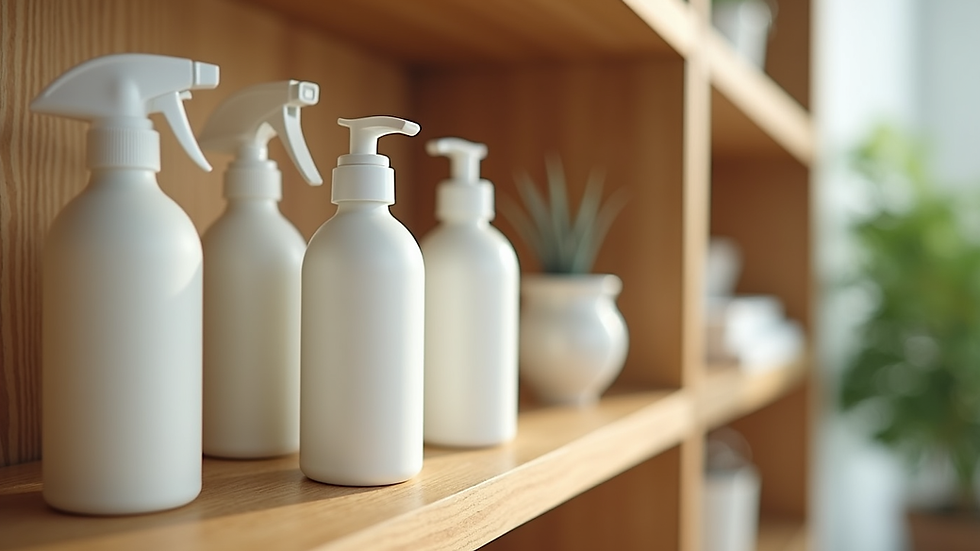
Before diving into specific products, it’s essential to understand what bio products are. Bio products are made from natural materials and are designed to minimize environmental impact. They can range from cleaning supplies to personal care items, and their production often involves sustainable practices.
Benefits of Using Bio Products
Reduced Environmental Impact: Bio products are typically biodegradable, meaning they break down naturally without harming the environment.
Healthier Home: Many conventional products contain harmful chemicals that can affect indoor air quality. Bio products often use natural ingredients, making them safer for your family.
Support for Sustainable Practices: By choosing bio products, you support companies that prioritize sustainability and ethical sourcing.
Top Bio Products for Your Home
1. Eco-Friendly Cleaning Supplies
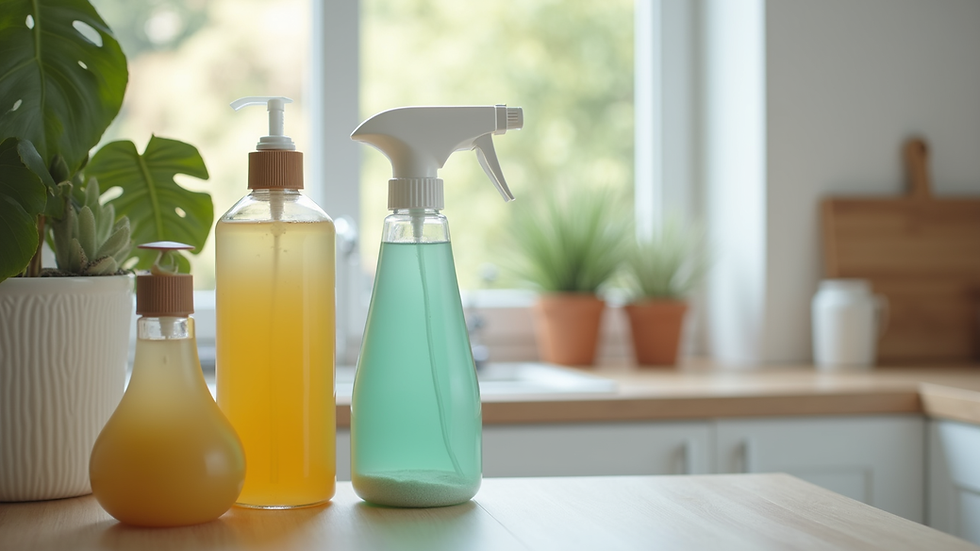
Cleaning your home doesn’t have to involve harsh chemicals. Many brands now offer eco-friendly cleaning supplies that are effective and safe for the environment. Look for products that are biodegradable and free from synthetic fragrances and dyes.
Examples: Brands like Seventh Generation and Method offer a range of cleaning products made from plant-based ingredients.
2. Biodegradable Trash Bags
Traditional plastic trash bags can take hundreds of years to decompose. Biodegradable trash bags are made from materials that break down more quickly, reducing landfill waste.
Examples: BioBag and UNNI produce compostable trash bags that are perfect for kitchen waste.
3. Natural Personal Care Products
Personal care items often contain harmful chemicals that can be absorbed through the skin. Opting for natural personal care products can help you avoid these toxins.
Examples: Brands like Dr. Bronner’s and Burt’s Bees offer a variety of personal care products made from organic ingredients.
4. Sustainable Kitchenware
When it comes to kitchenware, there are many sustainable options available. Look for items made from bamboo, glass, or stainless steel, which are durable and eco-friendly.
Examples: Bamboo Utensils and Stainless Steel Straws are great alternatives to plastic.
5. Organic Bedding
Your bedding can also impact your health and the environment. Organic bedding is made from cotton that is grown without harmful pesticides and chemicals.
Examples: Brands like Coyuchi and Boll & Branch offer a range of organic bedding options.
How to Transition to Bio Products
Making the switch to bio products doesn’t have to happen overnight. Here are some tips to help you transition smoothly:
Start Small: Begin by replacing a few conventional products with bio alternatives. For example, start with your cleaning supplies or personal care items.
Research Brands: Look for brands that prioritize sustainability and ethical practices. Reading reviews can help you find products that work well.
Educate Yourself: Understanding the benefits of bio products can motivate you to make the switch. Research the environmental impact of conventional products to see the difference.
The Future of Bio Products
As awareness of environmental issues grows, the market for bio products is expected to expand. Innovations in sustainable materials and production methods will likely lead to even more options for consumers.
Trends to Watch
Increased Availability: More retailers are beginning to stock bio products, making them easier to find.
Improved Performance: As companies invest in research and development, bio products are becoming more effective and competitive with conventional options.
Consumer Demand: As more people seek sustainable options, brands will continue to innovate and improve their offerings.
Conclusion
Transitioning to a sustainable home is a journey that begins with small changes. By incorporating bio products into your daily life, you can significantly reduce your environmental footprint while promoting a healthier living space. Remember, every small step counts, and your choices can make a difference. Start exploring the world of bio products today and contribute to a more sustainable future for our planet.
Comments